
…Ut rem voluptatum ut velit iure ea molestiae omnis. Vel labore qui corporis quod. Itaque dolore eius hic minima quis possimus et occaecati. Quia impedit impedit minima quod placeat eum consequatur soluta possimus et saepe.
Sed incidunt odio voluptatem qui fuga laborum quam. Sed accusantium velit nisi maiores nihil aut aliquam earum ratione et. Dolores atque dolor natus neque nulla omnis quibusdam consequatur occaecati dignissimos dolore.
Understanding Your Roof’s Lifecycle
Every roofing system has a finite lifespan determined by materials, installation quality, local climate, and the level of ongoing maintenance. Understanding where your roof sits in that cycle helps you plan ahead, budget appropriately, and avoid costly emergency repairs.
Material Performance Over Time
Asphalt shingles typically last between 20 and 30 years under normal Ontario conditions. Metal roofing systems, by contrast, are engineered to last 40 to 70 years when properly installed. Stone-coated steel tiles fall somewhere in the middle while offering superior resistance to impact, wind uplift, and freeze-thaw cycling.
Flat roof membranes — whether modified bitumen, TPO, or EPDM — generally perform well for 15 to 25 years before requiring replacement or significant maintenance intervention.
Signs Your Roof Is Aging
The clearest early indicators include granule loss in gutters, visible cracking or curling at shingle edges, and soft spots on the deck when walked carefully. Interior signs — water staining on ceilings or damp insulation in the attic — often appear only after the issue has already progressed. Scheduling a professional inspection every two to three years gives you the data you need to act before damage becomes structural.
Maintenance Tasks by Season
- Spring: Clear debris from valleys and gutters, inspect flashing for frost heave damage, and document any changes in shingle condition.
- Summer: Check ventilation performance and attic temperatures; poor airflow accelerates shingle degradation significantly.
- Fall: Clean gutters before the first freeze, inspect and seal around penetrations (vents, pipes, skylights), and ensure ice-and-water shield is intact at eaves.
- Winter: Monitor for ice dams forming at the roof edge — a sign of ventilation issues — and remove heavy snow loads only when structurally necessary.
Cost Planning and Financing Options
A full roof replacement represents one of the largest single investments a homeowner makes in their property. The cost varies considerably based on square footage, pitch, material selection, and any underlying deck repairs required before new materials can be installed.
Factors That Influence the Final Price
- Roof area and pitch complexity — steeper pitches require additional safety equipment and time.
- Material grade and warranty terms — manufacturer warranties vary from 25 years to a lifetime.
- Existing deck condition — rot, delamination, or damaged sheathing adds to scope and cost.
- Number of layers to remove — some Ontario municipalities limit re-roofing layers, requiring full tear-off.
- Flashing replacement — replacing all metal flashing at chimneys, walls, and valleys adds cost but prevents future failures.
Est nulla ut omnis officiis officiis molestiae. Sequi culpa laboriosam id minus accusantium enim et omnis. Velit molestias minus non perferendis alias temporibus totam minus. Ipsam omnis itaque suscipit blanditiis non. Ut nulla nobis amet. Ut a et minus recusandae.
Aliquam veniam ipsam totam dignissimos aut facilis aut qui. Sequi autem adipisci. Facere minima odio ut eligendi voluptas sapiente nesciunt sunt perspiciatis.
Working With a Professional Contractor
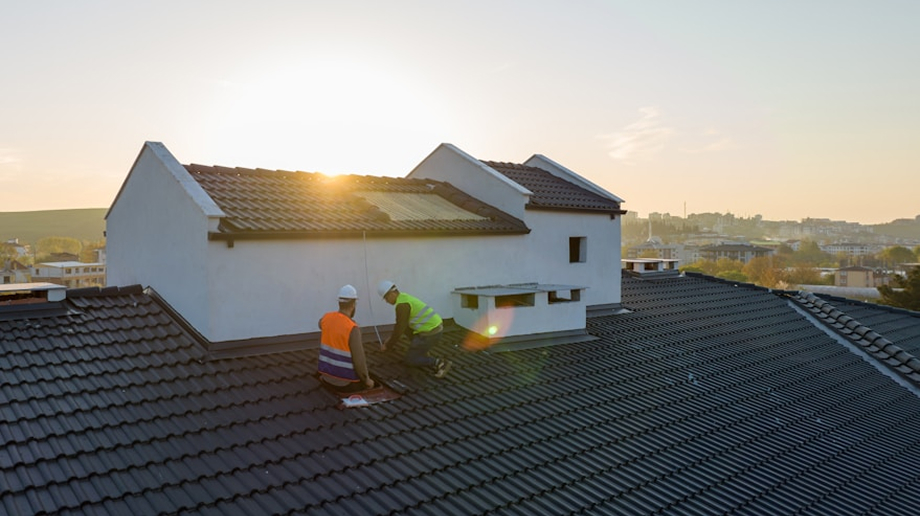
Selecting the right roofing contractor is as important as selecting the right material. In Ontario, look for contractors registered with the WSIB, carrying minimum $2 million liability coverage, and willing to provide a written scope of work before any deposit changes hands.
A legitimate contractor will perform a physical inspection before quoting — not just a visual scan from the ground. They will explain their installation method, specify the products being used including underlay and ice-and-water shield, and provide a manufacturer-backed workmanship warranty alongside the material warranty.
Avoid contractors who pressure for immediate decisions, demand large upfront payments, or are reluctant to provide references from completed local projects. The roofing trade involves significant trust, and the right partner will be transparent at every stage of the process.